
 888-825-8800




Basket Strainers
Basket Strainers
Shop Basket Strainers Shop Now
Y-Strainers
Y Strainers
Shop Y Strainers Shop Now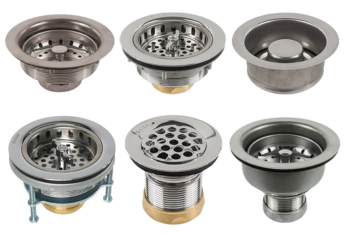
Sink Strainer
Sink Strainers
Shop Sink Strainers Shop NowStrainers and Filters
Strainers and filters have one job: prevent unwanted solids like debris, sediment, rust, and scale carried by fluids (which includes liquids and gases) from proceeding downstream. Once downstream, these particles can damage equipment like control valves, pumps, and meters.
Y Strainers
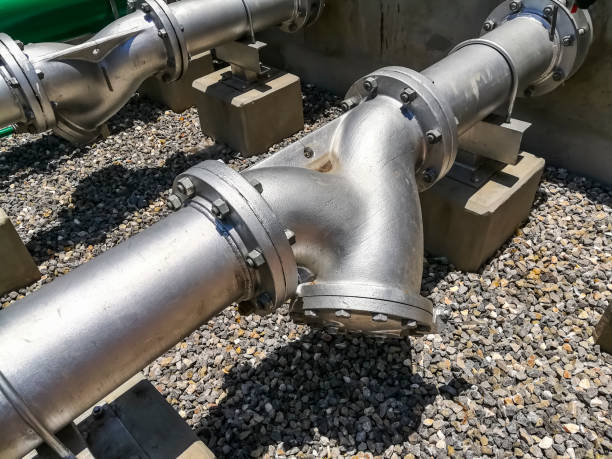
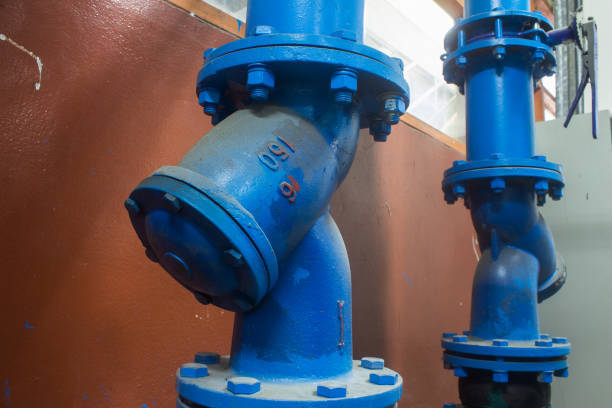
A Y-strainer is a type of inline mechanical filter that gets its name from its "Y" shape, where the diagonal leg houses the filtering element. It’s called an inline filter because it’s installed inline with the flow of fluid.
As fluid enters the inlet of the filter, it is forced through the screen, which is usually stainless steel wire mesh or perforated metal, located in the diagonal leg of the Y. The filtered debris is collected and trapped, then settles into the collection chamber at the bottom of the diagonal leg. The cleaned fluid proceeds through the discharge side.
Y-strainers are a popular choice because they can handle extremely high pressures. This also means they work well with the extreme temperature and pressure requirements involved with steam service. They can be installed horizontally or vertically. The only requirement is that, when installed on vertical lines, the filter must be installed so that the flow is downward to ensure gravity collects the debris in the strainer leg. The main issue with Y-strainers is a clogged screen. This leads to a problematic pressure drop across the strainer, which forces pumps to work harder than necessary, and it becomes important to clean the filter screen regularly.
Basket Strainers
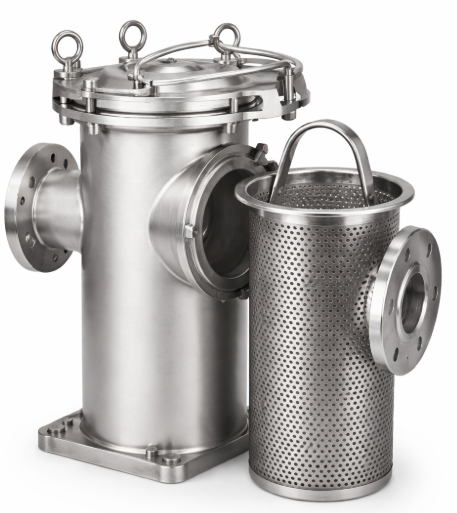
A basket strainer, also referred to as a bucket strainer, is another type of inline filter. It is used in applications where the fluid contains a high volume of solids that need to be captured without causing the system to choke. Basket strainers have a vertical cylinder housing. Fluid enters one side and flows into a large, basket-shaped screen that can be removed. Clean fluid passes through the mesh basket and out the other side. Because the basket sits upright and is much larger than a Y-screen, it can hold much more debris before it has to be emptied out.
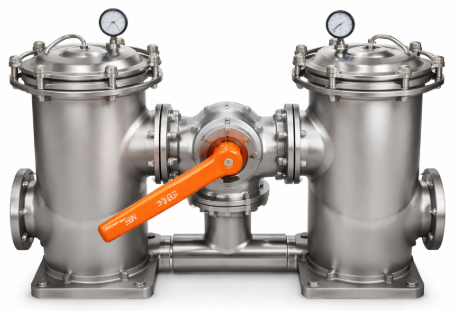
There are two main types of basket strainers: simple basket strainers and duplex basket strainers. In simplex strainers, the flow must stop for the strainer to be cleaned, and that works well for systems or batch processes that can be shut down. Duplex strainers don’t require that the system be shut down for cleaning, as they provide two baskets. Flow can be diverted to the clean basket once the other is full, without shutting down the system.
The basket design can hold significantly more debris than the Y-strainer and causes a much lower pressure drop. It also offers easy access for maintenance and is ideal for protecting expensive equipment downstream. On the other hand, it must be installed horizontally and is larger than a Y-strainer.
Sink Strainer
At ValveMan, we also carry sink strainers that prevent debris from entering drain lines. Here are the typical components of a sink strainer:
- Body: the metal piece that fits into the drain opening
- Rubber and fiber washers: sit under the sink to provide both cushion and sealing
- Friction ring: allows the locknut to tighten without tearing the rubber
- Locknut: screws onto the strainer body to sandwich the sink and create an effective watertight seal
- Tailpiece: the pipe that connects the strainer assembly to the rest of the drain
ValveMan is your one-stop shop for all your filter and strainer needs. Our team of experts can help you configure the components you need – and if you don't see what you're looking for, just ask us, and we’ll source and order it. ValveMan is waiting to hear from you!
Quick selector: which strainer should you use?
If you are dealing with very high pressure or steam service, a Y strainer is often a strong fit.
If your fluid carries a higher volume of solids and you need to capture debris without choking the system, a basket strainer is typically the better choice.
If you can shut down to clean the basket, a simplex basket strainer can work well.
If you cannot shut down and need continuous operation, a duplex basket strainer lets you divert flow to a clean basket while the other is serviced.
If your goal is protecting drain lines from debris, a sink strainer is designed for that job.
Installation and maintenance notes that prevent headaches
Y strainers can be installed horizontally or vertically. On vertical lines, the filter must be installed so flow is downward so gravity collects debris in the strainer leg.
A clogged screen increases pressure drop across the strainer and can force pumps to work harder than necessary. Regular cleaning is part of keeping the system stable.
Basket strainers hold more debris than Y strainers and typically create a lower pressure drop, but they must be installed horizontally.
What strainers protect downstream
Strainers help stop debris, sediment, rust, and scale from moving downstream and damaging equipment like control valves, pumps, and meters.
FAQ
Can a Y strainer be installed vertically?
Yes. On vertical lines, the flow must be downward so debris collects in the strainer leg.
Why did my pressure drop increase after installing a strainer?
A clogged screen creates a higher pressure drop across the strainer and can force pumps to work harder. Cleaning the screen is often the fix.
When do I need a duplex basket strainer?
When you cannot shut down the system for cleaning. Duplex strainers allow flow to be diverted to a clean basket without shutdown.
Do basket strainers have to be installed horizontally?
Yes. Basket strainers must be installed horizontally.
Need help selecting the right strainer?
Send us what you know and we will help you choose quickly:
Size, media (water, air, steam, chemical), material, connection type, and whether the system can be shut down for cleaning.
If you do not see what you need listed, ask us and we will help source it.