

Agriculture irrigation valves are vital for efficient flow control, and valve selection is rarely about extreme pressure ratings. Selection is about moving large volumes of water reliably, automating flow where needed, and surviving dirty, debris-laden water day after day. Water drawn from wells, ponds, and canals often carries sand, silt, organic matter, and chemical residue, all of which place unique demands on irrigation valves that don’t exist in cleaner industrial systems.
This article is going to take a look at the real-world issues that drive valve selection in agricultural irrigation systems, including debris tolerance, pressure and flow mismatches, duty cycle, and harsh outdoor conditions. It then breaks down the most common valve types used in the field, explaining where each one works best and why.
Considerations for Agricultural Irrigation System Valves
Debris Tolerance and Water Quality
First, we have water quality and debris tolerance. It’s not uncommon for irrigation water to carry things like:
- Sand and silt from wells
- Scale, algae, or fertilizer residue
- Organic debris from surface water
Valves with tight internal clearances don’t tolerate debris well. The most common problems are valves sticking open or closed, solenoids that fail to seat, and check valves that either chatter or leak.
Pressure and Flow Mismatch
The valve should fit the system, not the pipe. A valve that matches the pipe size can be the wrong valve hydraulically. Issues include:
- Excessive pressure drop limits downstream coverage
- Low-flow conditions preventing solenoid operation
- Oversized control valves losing functionality
Frequency of Operation and Duty Cycle
Some valves move a few times per season, while others cycle hourly. High-performance butterfly, ball, or purpose-built solenoid valves are best for high-frequency operations, rather than valves intended for isolation-only.
Environment and Installation Conditions
Agricultural valves face UV exposure, temperature swings, and chemical exposure. Solutions include materials such as ductile iron, stainless steel trim, UV-stabilized PVC, and chemical-resistant elastomers.
Most Common Agricultural Irrigation Valves
Electric Solenoid Valves
Solenoid valves are the most common for automated systems. An electromagnetic coil opens and closes a rubber diaphragm, allowing for precise scheduling.
An example of a good all-purpose valve is the GC Valves NS20 series. For irrigation, look for 24VAC for controllers or 12 VDC for solar/battery systems.
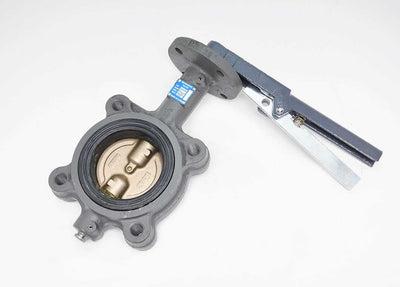
Butterfly Valves

For pipes 2" and up, butterfly valves are the industry standard. They are compact and cheaper than gate valves in large sizes, though the internal disc can catch "stringy" debris like algae.
The Milwaukee CL223E series is a great cast iron option with a reliable EPDM liner.
Ball Valves

Irrigation ball valves are used for smaller pipes (1/2" to 6") or maintenance shut-offs. They provide 100% unobstructed flow and almost never clog.
A rugged choice is the Apollo 77C series, which features a corrosion-resistant bronze body.
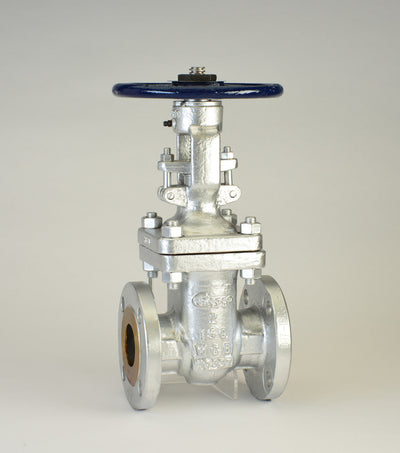
Gate Valves

Gate valves offer zero pressure loss when fully open. However, they take many turns to operate and can leak if sand gets into the bottom seat.
The Red White Valve 267AB brass gate valves are an excellent option.
Check Valves

Check valves prevent backflow and maintain pump prime. They are vital for pump discharge lines and fertigation systems. Swing check valves can slam and cause water hammer on pump shutdown. Spring-loaded or silent check valves are the remedy for that.
The Red-White 435 series is ideal for horizontal high-flow applications.
Air Release Valves

Air release valves allow air to escape during filling and enter during draining, preventing pipeline collapse from vacuums. The Plast-O-Matic ARV050EPT-PV is a good example.
Summary of Agricultural Irrigation Valves
| Valve Type | Primary Function | Typical Sizes | Best Use in Irrigation |
|---|---|---|---|
| Solenoid Valve | Automated on/off control | ½"–3", larger sizes available | Zone control, fertigation, automated systems |
| Butterfly Valve | Isolation and throttling | 2"–48"+ | Mainlines, pump stations, large pipelines |
| Ball Valve | Tight shutoff | ½"–6" | Branch lines, drip zones, isolation points |
| Gate Valve | Full open/full close isolation | 1"–48"+ | Mainline isolation, infrequently operated |
| Check Valve | Prevent reverse flow | 1"–48"+ | Pump discharge, elevation changes, backflow |
| Air Release Valve | Manage air in pipelines | ½"–6" | High points, long pipelines, pump protection |
Conclusion
 The right valves are key to effective irrigation. ValveMan is an agricultural valve distributor carrying high-quality, field-proven results. Contact our valve experts today.
>