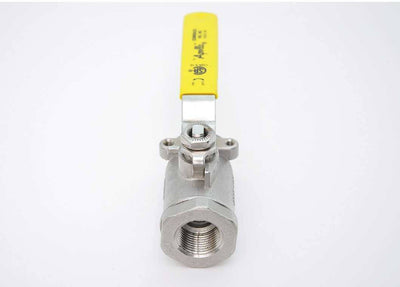


Apollo Valves® inventory includes a wide range of valve products supplied to diverse markets. These include residential, commercial, and institutional plumbing, as well as industrial sectors such as oil and gas, petrochemicals, and mining. The Apollo Valve brand is currently owned by Aalberts Integrated Piping Systems. Aalberts purchased Conbraco Industries (the original manufacturer of Apollo Valves) in 2010, integrating the brand under Aalberts Integrated Piping Systems Americas. Legacy Apollo valves still frequently bear the "Conbraco" casting mark.
Just the Facts - Apollo Valves
Apollo Valves® has three state-of-the-art manufacturing facilities, including two foundries, located in South Carolina. This allows the production of durable products made from high-quality materials such as cast bronze, forged brass, cast steels, stainless steels, and exotic alloys. Over 90% of Apollo Valves are manufactured in the USA, with every valve factory tested, certified, and backed by a comprehensive 5-year warranty. The extensive distribution network means that products are delivered without delay, wherever you are. This is the Apollo advantage.
Apollo Valves Key Features
-
Quality materials: including cast and forged bronze, brass, carbon steels, stainless steels, and exotic alloys.
-
Made in America: over 90% of Apollo valves are manufactured in the USA, ensuring high-quality and reliable valves.
-
Extensive product testing: every valve is 100% factory tested, and supplied with a 5 year warranty.
-
Extensive supplier and distribution network: ensures best-in-class support and quick product delivery.
Product Range
Apollo Valves offers a comprehensive range of products, from trusted ball valves to failsafe backflow prevention devices, and everything in between:
-
Ball valves: available in bronze, brass, ductile iron, steel, and stainless steel.
-
Butterfly valves: resilient-seated and high-performance available in ductile iron, steel and stainless steel.
-
Gate and globe valves: multi-turn, rising and non-rising stems, available in bronze, iron and lead-free.
-
Safety relief valves: suitable for ASME Section I, IV, and VIII applications.
-
Plumbing products: a wide variety including strainers, check valves, water pressure reducing valves, mixing valves and more.
-
Backflow preventers: for fire protection, utilities, commercial and residential markets.

Applications
Apollo Valves are commonly used in a range of applications. These include:
-
Industrial use in oil and gas, petrochemical, mining and manufacturing processes.
-
Residential and commercial plumbing systems.
-
Fire protection systems.
-
Utilities including water, steam, natural gas and compressed air.
-
Heating, ventilation and air conditioning (HVAC) systems.
Operating Parameters
Operating parameters vary between product and application categories.
-
Sealing elements: available in a variety of materials from EPDM to TFM, selected to suit your specific application.
-
Maximum operating pressure: Options range from standard 125/150 CWP plumbing lines up to 600 WOG/CWP for brass/bronze ball valves, with severe-service and high-pressure industrial lines rated to 3,000, 6,000, and up to 10,000 psig.
-
Operating temperature range: Soft-seated plumbing and commercial valves typically handle -20°F to 400°F (seat material dependent), while specialty cryogenic and high-temperature metal-seated industrial valves cover -320°F up to 1,000°F+.
Approvals and Certifications
Apollo Valves carry the following approvals and certifications:
-
ASME B16.51
-
ICC-ES LC 1002
-
Uniform Plumbing Code® (UPC)
-
International Plumbing Code® (IPC)
-
International Residential Code® (IRC)
-
National Standard Plumbing Code (NSPC)
-
National Plumbing Code of Canada
-
ANSI, NSF, CSA and NACE approvals for various products
Conclusion
Apollo Valves sets a high standard in the valve industry, with quality products and reliable service. Their comprehensive product line ensures ease of installation, excellent performance, and extended service life, making Apollo Valves the preferred choice for valve professionals.
Note that this blog post has been adapted from a blog originally published by Aalberts Integrated Piping Systems - the original post may be found here.