

What is a 50/50 Valve Seat?
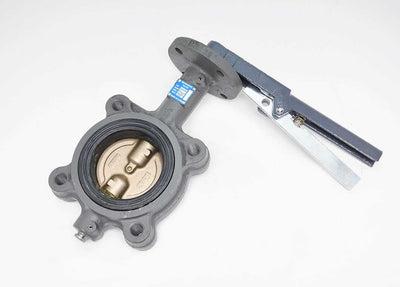
50/50 valve seats are generally used in ball valves for steam and other high-temperature services, from -50°F up to 550°F at 200 psi. A 50/50 ball valve seat (sometimes referred to as STFE) is actually 50% virgin PTFE (Teflon) and 50% 316 stainless steel powder. It effectively bridges the gap between soft seats and hard seats.
Benefits of 50/50 Valve Seats
The 50/50 combination integrates the low friction and smooth sealing of PTFE (one of the lowest known coefficients of friction of any solid known to man) with the strength, hardness, and thermal resistance of stainless steel. In fact, the metallic filler allows the seat to handle steam service, moderate slurries, and high-cycle applications far better than virgin or 15% glass-filled PTFE is able to.
Also recall that pure PTFE tends to deform under sustained pressure and heat over time. The 50% stainless steel matrix, on the other hand, drastically increases resistance to deformation under load.
Because of the stainless steel + PTFE mixture, the seats can handle high-temperature and steam applications better than just PTFE or RTFE seats. The steel also makes the seat harder and stronger; it can resist deformation more easily even at high loads and has better wear properties.
Drawbacks of 50/50 Valve Seats
Unlike PTFE, stainless steel is susceptible to hydrochloric acid, wet chlorine, hydrofluoric acid, and strong chlorides. There is also the possibility that microscopic exposed particles of 316 SS in the seat matrix can drag across the ball over high cycle counts, leading to issues with scratching or galling. There’s also the risk of micro-leakage at low pressures, and these seats do cost more.
And while the stainless steel filler used in these seats makes them more rigid, it also creates more friction against the valve ball. Due to the seat's hardness and the friction between the stainless steel and the ball, the torque required to stroke the valve is much higher than for other valves.
Actuator Sizing for 50/50 Valve Seats
When sizing an actuator for a ball valve with 50/50 seats, you've got to make sure you compensate for the increased torque. Actuators for these valves need to be larger and have a higher safety margin for torque on the order of 25–50%.
On ValveMan, we have already done that for you to take away the added work and stress of sizing the actuator.
Conclusion
If you’re trying to decide if a 50/50 valve seat is right for your application, contact the experts at ValveMan. With 60+ years of experience, our engineers can work with you to find the right valves and actuators the first time.