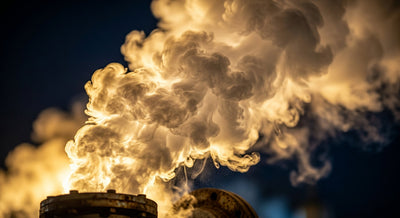


Staying safe in the workplace--or keeping job site conditions safe--hinges upon a knowledge of Hazardous Locations, what this classification means, and how it all breaks down. Understanding the nature of these particular conditions may be of the utmost importance to anyone working with electricity. This includes someone installing, repairing, or replacing something electrical, like a solenoid valve, especially in workplace environments where fire and explosion threats are prevalent.
In essence, those areas in which fire or explosion dangers may exist--due to the existence of flammable gases, liquids, vapors, or other combustible particles, like fibers or dust, in large, concentrated quantities--are called hazardous locations. These locations and conditions are identified by classes, divisions, and groups.
Groups, Classes, and Divisions with Hazardous Locations

Hazardous locations are broken down into three primary Classes: I, II, and III, based on the type of hazardous material present. These locations are further refined by Divisions (the likelihood of the hazard being present) and, for Classes I and II, Groups (the specific chemical or material type). Otherwise, classes are identified as follows:
Class I: Gases, vapors, and liquids. These flammable materials may exist in concentrations--particularly in the air--sufficient to cause an explosion if ignited. This classification includes several groups concerning Groups (e.g., Group A for Acetylene, Group B for Hydrogen, Group C for Ether, Group D for Hydrocarbons/Gasoline). These groups are further classified under Divisions. Division I covers ignitable concentrations of hazards that exist continuously, intermittently, or periodically under normal operating conditions. Division II covers ignitable concentrations that are handled, processed, or used, but are normally confined within closed containers or systems and escape only in the event of accidental rupture, breakdown, or abnormal operation.
Class II: Combustible Dust. This classification may refer to any ignitable "dust-like" substances which may be present in an area's atmosphere in concentrations which could be combustible, and/or explosive. These include Groups E) Metal dusts which are explosive or conductive, F) Carbon dusts, which may not be conductive, though all are explosive, and G) Combustible plastic or chemical dusts, and flour, starch, or grain. These are all flammable but not conductive. Division I includes quantities of ignitable dust, normally found suspended in the atmosphere, or conductive dust, which may be present. Division II, on the other hand, refers to dust that is not normally suspended in ignitable quantities, but may exist anyway.
Class III: Fibers and Flyings. This class refers to ignitable particles (such as wood shavings) that exist, or may exist, in combustible quantities posing fire hazards, but not explosion hazards. Groups may include Woodworking, Textiles, and similar industries. However, in this case, the divisions are more important. Division I concerns locations where machinery produces ignitable fibers or flyings, and/or locations, such as storage, where said material is otherwise handled. Division II describes locations specifically different from production areas, but where said material is stored or handled anyway.

Stay Safe in Hazardous Locations
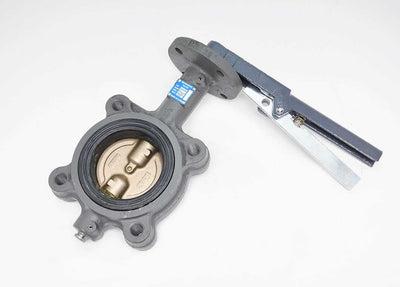
Hazardous Locations, because of their very nature, require special wiring and conduit that meets regulations and codes designed to prevent accidents and fatalities caused by electrically ignited fires and/or explosions. General-purpose electrical wiring and conduit are not rated for such areas and are potentially dangerous. Likewise, general-purpose valves are not rated for hazardous locations, either. Valves being utilized in hazardous locations are made of non-conductive materials.

Conclusion
At the ValveMan valve store, ValveMan.com, we want you to be informed, because we want you to stay safe! We've been in the valve business for over 50 years, and we know all about hazardous locations and which materials are safe to use within them, as well as the guidelines for establishing these safety regulations. That's because we are a major distributor of industrial-grade valves. In fact, all we sell are valves--and that's what separates us from the competition. It's simply what we do, and we do it better than anyone else.