


Industrial Valves
Sanitary Steam Traps
Sanitary steam traps are more commonly sold as “clean steam” traps — same product, different word. They are the 316L, tri-clamp, self-draining traps used on SIP, culinary steam and pure steam lines, where an ordinary cast-iron trap would contaminate the condensate.
All Sanitary Steam Traps
43 products


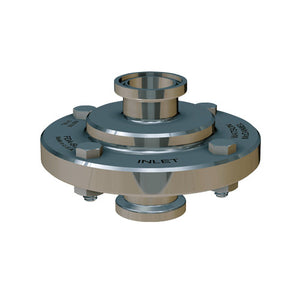

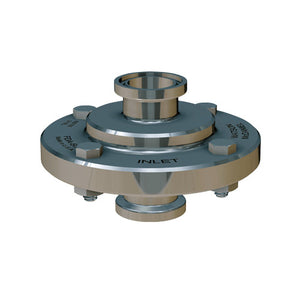


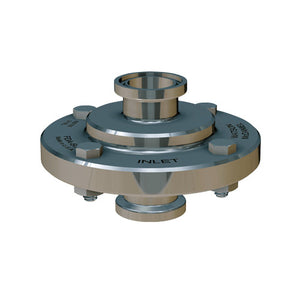
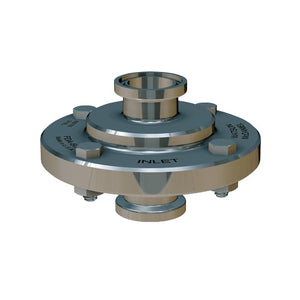


Not seeing your model?
We Also Source
The products above are what we list online. We supply a good deal more than we list — these families are spec’d to the application, so we quote them rather than publish every permutation. Tell us the line size, end connection, pressure and service and a ValveMan specialist will come back with the exact model, current pricing and availability.


Photos are the manufacturers’ own product images, shown to illustrate what we source. Availability is confirmed at quote.
About Sanitary Steam Traps
If you searched for a sanitary steam trap and the results came back saying clean steam trap, you are in the right place — they are the same product. The industry, and most manufacturers' catalogues, file these traps under clean steam; specifiers and plant engineers usually call them sanitary. Every trap on this page is a sanitary trap by construction.
What makes a steam trap sanitary
An ordinary steam trap is cast iron or carbon steel with screwed or flanged connections, an internal pocket where condensate collects, and no requirement that the condensate stay clean — it goes to a return line. A clean steam trap is built the opposite way, because on a clean steam system the condensate has been in contact with product-facing surfaces:
- 316L stainless steel body, mechanically polished on the wetted side. Cast iron would corrode and shed particulate into the condensate.
- Tri-clamp connections so the trap can be broken out, inspected and reassembled without threads or gaskets that trap residue. Many are built to ASME BPE dimensions.
- Self-draining, crevice-free internals. A clean steam trap is installed so it drains completely; a trap that holds a standing pool of condensate defeats the point of sterilising the line.
- No dead legs. Any unswept branch is a place for biofilm, which is precisely what a SIP cycle exists to prevent.
Trap types, and when each one is right
Thermostatic (balanced pressure / bellows)
The most common clean steam trap. A sealed bellows filled with a volatile liquid opens when condensate cools slightly below saturation and closes on live steam. It discharges close to saturation temperature, which keeps the line hot, and it fails open — the safe direction on a sterilisation cycle, because an open trap vents rather than flooding the vessel. This is the default choice for SIP drops and clean steam distribution.
Thermodynamic (disc)
A single moving disc that cycles on the velocity of flash steam. Compact, tolerant of high pressure and superheat, and it has one wearing part. Preferred where the line runs hot and pressure is high, and where a bellows would be at the edge of its rating.
Float and thermostatic
Continuous drainage with automatic air venting. Used where condensate load is high and steady rather than intermittent — clean steam heat exchangers and jacketed vessels.
Where sanitary steam traps are used
- SIP (steam-in-place) — draining condensate from vessels, transfer lines and filter housings during sterilisation.
- Culinary steam — steam injected directly into food product, where the steam itself must meet 3-A culinary standards.
- Pure steam / WFI systems — pharmaceutical manufacturing where the condensate is tested.
- Autoclaves and sterilisers — chamber and jacket drains.
- Breweries and distilleries — vessel and line sterilisation between batches.
What we list here
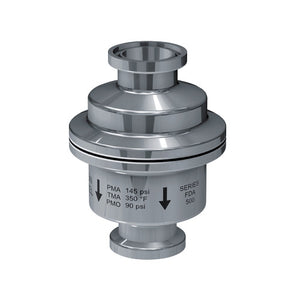
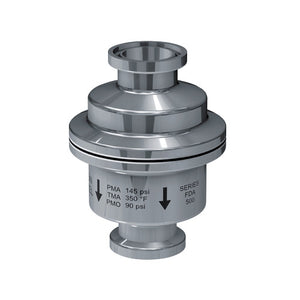
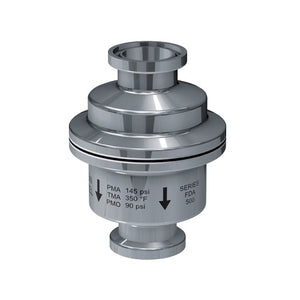
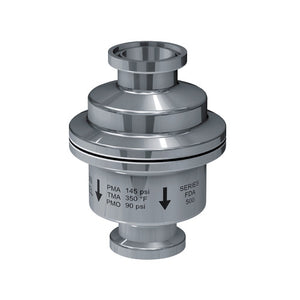
The traps on this page are the Watson McDaniel FDA series — their clean steam line, in stainless steel with tri-clamp (TC) and NPT end connections:
- FDA300 — high-capacity thermostatic clean steam trap.
- FDA400 / 401 / 402 / 403 and FDA411 / 412 / 413 — repairable thermostatic clean steam traps, the workhorse of the range.
- FDA500 and FDA510 — clean steam thermostatic traps for SIP and distribution service.
- FDA600 — clean steam service.
- FDA800 — thermodynamic clean steam trap, stainless steel, in TC and NPT.
Sizing: capacity, not line size
Sanitary traps are sized on condensate load at the operating differential pressure, not on the size of the pipe they bolt to. A trap chosen to match the line size is usually oversized, and an oversized clean steam trap cycles poorly and wears its seat. Work out the condensate load in lb/hr, apply a safety factor appropriate to the cycle, and size from the manufacturer's capacity chart at your actual differential.
Talk it through
If you are drawing up a SIP skid or replacing traps that are failing early, call 888-825-8800. Sixty-plus years of valve and steam knowledge, and a straight answer on whether a thermostatic or thermodynamic trap suits the service you are describing.
Frequently Asked Questions
Yes — they are the same product. Manufacturers' catalogues almost always file these traps under “clean steam”, while specifiers and plant engineers usually call them sanitary. Every trap on this page is a sanitary trap by construction: 316L stainless, tri-clamp connections, self-draining and crevice-free. If you searched for a sanitary steam trap and the results came back saying clean steam, you are in the right place.
Because on a clean steam system the condensate has been in contact with product-facing surfaces. A standard trap is cast iron or carbon steel with screwed or flanged connections and an internal pocket where condensate collects — the iron corrodes and sheds particulate, the threads and gaskets trap residue, and any unswept branch becomes a place for biofilm, which is exactly what a sterilisation cycle exists to prevent. A clean steam trap is 316L, tri-clamp, and installed so it drains completely.
A thermostatic (balanced-pressure bellows) trap is the default for SIP drops and clean steam distribution. A sealed bellows opens when condensate cools slightly below saturation and closes on live steam, so it discharges close to saturation and keeps the line hot — and it fails open, which is the safe direction on a sterilisation cycle because an open trap vents rather than flooding the vessel. Choose a thermodynamic disc trap instead where the line runs hot and pressure is high, and float & thermostatic where the condensate load is high and steady rather than intermittent.
On condensate load at the operating differential pressure — never on the size of the pipe it bolts to. A trap chosen to match line size is usually oversized, and an oversized clean steam trap cycles poorly and wears its seat. Work out the condensate load in lb/hr, apply a safety factor appropriate to the cycle, then size from the manufacturer's capacity chart at your actual differential.
Culinary steam is steam injected directly into food product, so the steam itself must meet 3-A culinary standards. It needs the same sanitary trap construction as any other clean steam service — 316L, tri-clamp, self-draining — because the condensate has been in contact with product-facing surfaces. The trap selection logic does not change; the cleanliness requirement on the steam supply upstream of it does.
The two failure signatures are opposite. A trap failed open passes live steam continuously — you lose steam and the condensate return runs hot. A trap failed closed backs condensate up into the line or vessel, which on an SIP cycle means the sterilisation hold is not achieved and the batch record will show it. Thermostatic bellows traps are designed to fail open for exactly that reason. If yours are failing early, the usual causes are oversizing and water hammer — call 888-825-8800 and we will work through the sizing with you.