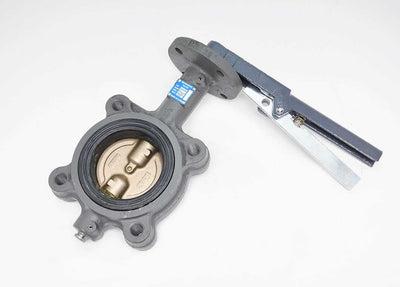


Pressure ratings are important considerations when designing a system that uses valves, but they can be confusing as well. In this article, we’re going to review some fundamental definitions, then discuss some of the most common pressure rating systems and classifications that you might encounter.
What is a Valve Pressure Rating?
The valve pressure rating is the maximum pressure that a valve can withstand. More specifically, it’s the total pressure that the body and stem of the valve can handle without leaking. Pressure ratings are usually expressed in psi, bar, kPa, or class ratings, but one of the areas of confusion is how that pressure is defined.
The operating pressure is the pressure at which the system normally runs. The design pressure is the maximum pressure the system is expected to see under normal and upset conditions and is used as the basis for mechanical design. The manufacturer establishes the Maximum Allowable Working Pressure (MAWP) for the valve, which is the maximum pressure the valve can safely withstand at the design temperature. The test pressure (for example, hydrostatic test pressure) is the pressure at which the valve is tested, either with zero leakage or within an agreed leakage rate. The burst pressure is the pressure at which the valve will be irreversibly damaged.
What is the Safe Working Pressure?
The safe working pressure represents the maximum pressure at which a valve can operate continuously at the specified temperature without risking failure or damage. It is typically set with a safety margin below the material yield and burst limits, and corresponds to the valve’s pressure‑temperature rating (MAWP) defined in standards.
The safe working pressure depends on several factors. These include the temperature of the fluid that is in contact with the valve. The material (e.g., bronze or stainless steel) is important because the strength of the valve is directly related to the material strength. So is the valve type, as each valve has its own characteristics, as well as the end connections (e.g., flanged, threaded, or welded).

Pressure Ratings
Pressure ratings and classifications are usually based on pressure, temperature, and the material used to manufacture the valve, much like the safe working pressure. Pressure ratings are vital when working with high-pressure valve applications or low-pressure fluid control, but they are also an important guideline for design. There are several pressure ratings and classifications, but regardless of which are used, valves should be chosen so that the valve pressure rating is higher than the system's operating pressure. Now let’s look at some of those pressure rating systems.
ASME/ANSI Pressure Classification
The ASME/ANSI classification has been established by standards such as ASME B16.34 for valves and ASME B16.5/B16.47 for flanges, which define maximum working pressure based on temperature and material.
This valve classification number doesn’t have to match the pressure, either. For example, a Class 150 valve made of carbon steel can handle up to 275 psi at 100°F and 80 psi at 800°F, while a Class 300 valve of the same material can safely withstand pressures up to 720 psi at 100°F and 405 psi at 800°F. You’ll notice that the higher the temperature, the lower the allowable pressure. The 3” gray cast iron gate valve in the image shown below is a 125 class valve that has a non-shock pressure rating of 165 psi at 300°F, but this increases to 200 psi at 100°F.

PN Pressure Classification
A PN valve rating is based on the nominal allowable working pressure at 68°F (20°C).
This is a European/ISO valve rating, and the pressure value is expressed in bars (1 bar equals 14.5 psi) rather than psi. That means PN25 would be 25 bar, or about 363 psi. Common ratings include PN10, PN16, PN25, PN40, etc.
WOG Ratings
WOG (Water, Oil, Gas) is a cold, non‑shock rating (usually in psi) that represents the maximum pressure a valve can handle with non‑corrosive water, lubricating oils, and gases at ambient or low temperatures. WOG ratings assume non‑shock service and are typically used for general‑purpose valves. Oil refers to liquids with a higher viscosity than water that also have lubricating characteristics. Note that gas refers to vaporized liquids but does not include combustible liquids. WOG ratings are based on non-shock loads. The stainless steel ball valve shown in the image below has a 1000 WOG rating, meaning it can handle 1,000 psi pressure for continuous operating conditions.

CWP Ratings
The CWP (Cold Working Pressure) rating represents the maximum allowable pressure when a valve is operating at temperatures between -20° and 100°F. A rating of, say, 200CWP means 200 psi. The ¼” stainless steel ball valve shown below has a rated working pressure of 2000 CWP (psig) rating.

Why are Pressure Ratings Important in Design?
First and foremost, valve pressure ratings and valve pressure classifications ensure safety and reliability in applications involving high pressures or extreme temperatures. They also help narrow down the variety of valve options during the design phase, making it much easier to select the correct valve for specific process conditions. Additionally, well-defined class ratings enable manufacturers and end-users to remain compliant with regulatory and industry standards.
Final Thoughts on Pressure Ratings
Pressure ratings of valves are critical to the design and safety of systems that utilize valves, whether you're using ASME pressure classifications or one of the other pressure rating systems. If you aren’t sure which classification to use or are puzzled by how to use them, contact ValveMan. Our team has the technical expertise to help you, and we offer reliable customer support that can guide you through the selection process.