

What is a Piggable Valve
Pigging is a word used to describe the action of cleaning a pipeline via the means of a device that travels through the line, known as a pig. This device, an invention of the oil industry (sometimes referred to as a Pipeline Intervention Gadget), derived its funny name because of the squealing sound the original--composed of straw and wire--made as it traveled through a pipe.

Replicating the action of a gun barrel cleaning brush, a pig travels through a pipeline, scrubbing the interior circumference clean of debris as it is carried along by the media flow. Pressure from the media builds behind the snug-fitting pig, and pushes it along through the entire pipeline, provided the pig fits through all of the valves. Therefore, a piggable valve is any valve that allows the free travel of a pig.
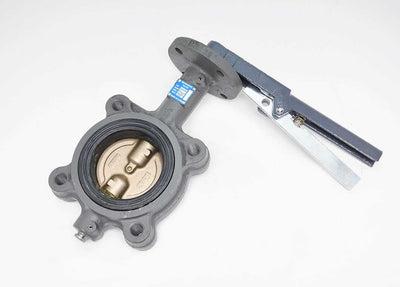
Not every valve can do this. The design of some valve types makes it an impossibility. Take, for example, a butterfly valve, which utilizes a rod that runs through the center. It would not be possible to clean it using a pig.
What Makes a Valve Piggable?
In order to work, a pig must have an outward circumference that is practically equal to a pipe's bore, otherwise, it would be little more than a foreign object in the line, and would prove useless. Because of its size, it could not pass through a butterfly valve, or any other valve using a comparable plug. Nor would it normally be able to pass through a valve using a reduced bore (though multi-diameter pigging is possible with the right equipment, though it is more practical in larger diameter applications).
A type of valve that lends itself well to the practice of pigging, then, is the full-bore ball valve. Because when the valve is open, and the bore of the ball is parallel with the inlet and outlet ports, there is virtually no difference between the bore of the valve and the bore of the line. In this way, not only can the pig pass through the valve unimpeded, but it can also clean the bore of the valve, as well as the line.

Launch and Retrieve
Any pipeline utilizing pigging for cleaning must have an entry and exit point for the pig. An entry point is called a launch station--often replacing a section of pipe-- while a receiving station, or what's commonly called a pig catcher, is the exit. Since the incorporation of launch and retrieval tubes requires removing sections of piping, a practical connection type between valves and piping would be flanges. This would be another important consideration when designing or upgrading a pipeline utilizing piggable valves--connections that are not compromised by the removal of the valve.
Conclusion
If you'd like to learn more about piggable valves for your design or application, contact us here at ValveMan.com and talk to one of our experts.